

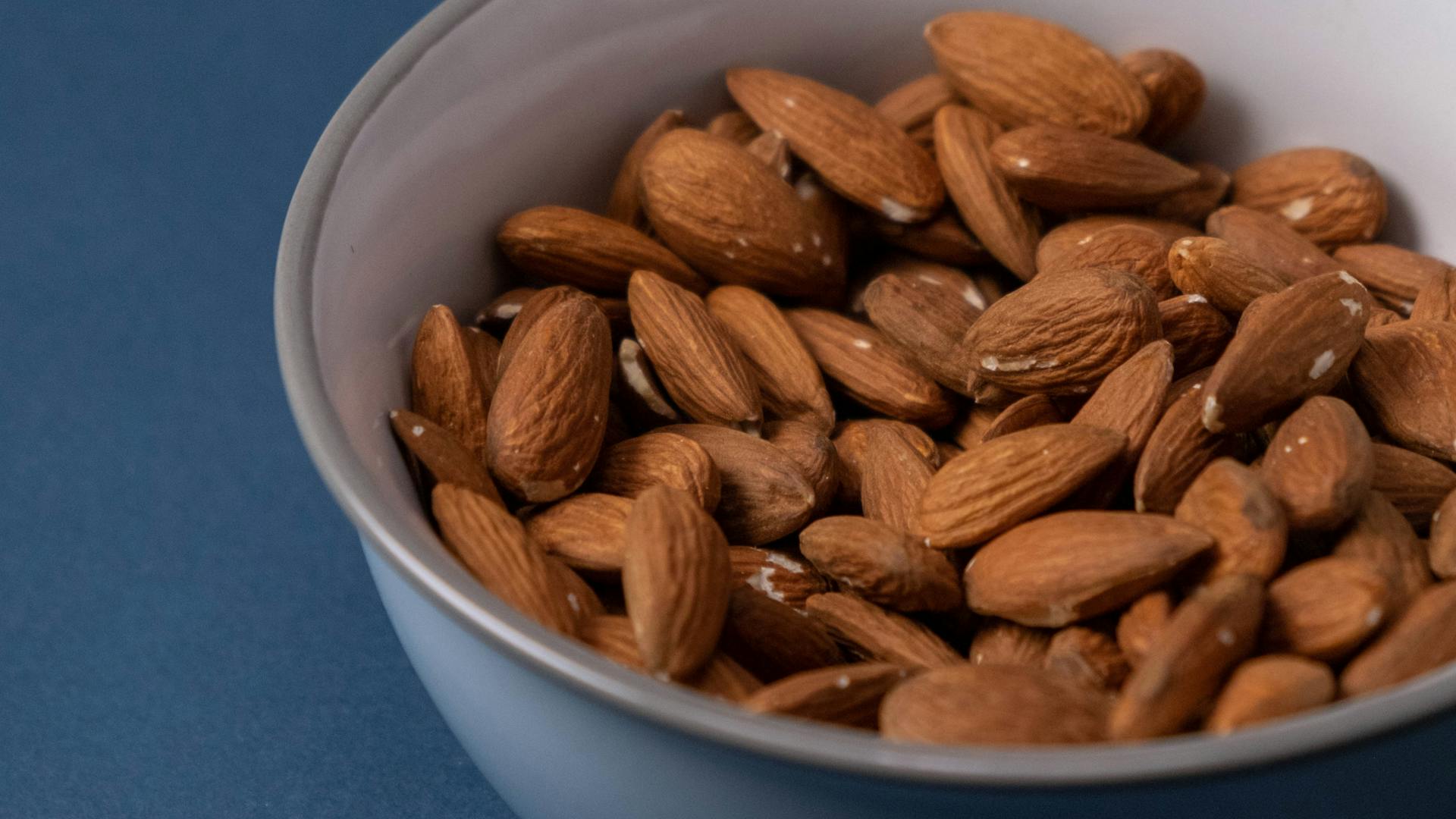
Key Information About Almonds- Botanical Nature: Almonds are classified as drupes, not nuts. The edible seed is surrounded by a tough shell and an outer hull, similar to a peach pit.
- Nutritional Value (per 1 oz / 28g):
- Calories: ~160–170.
- Protein: 6g.
- Fiber: 3.5g.
- Healthy Fats: 13g monounsaturated fat.
- Key Nutrients: Excellent source of Vitamin E (50% DV) and magnesium (19% DV).
- Health Benefits: Regular consumption is linked to improved cholesterol levels (lower LDL), better weight management due to satiety, and improved blood sugar control.
- Culinary Uses: Widely used in desserts (marzipan), savory dishes, salads, and processed into almond milk, flour, and butter.
- Production: The vast majority of the global supply is grown in California, with the trees requiring a Mediterranean climate with cool winters. [1, 2, 3, 4, 5, 6, 7, 8]
Types and Varieties- Sweet Almonds: The common type consumed as food.
- Bitter Almonds: Contain low levels of cyanide and are generally used for producing almond oil or flavorings, requiring processing to be safe.
- Key Commercial Varieties: The Nonpareil variety is the most common, known for its smooth shell and high quality
- Botanical Nature: Almonds are classified as drupes, not nuts. The edible seed is surrounded by a tough shell and an outer hull, similar to a peach pit.
- Nutritional Value (per 1 oz / 28g):
- Calories: ~160–170.
- Protein: 6g.
- Fiber: 3.5g.
- Healthy Fats: 13g monounsaturated fat.
- Key Nutrients: Excellent source of Vitamin E (50% DV) and magnesium (19% DV).
- Health Benefits: Regular consumption is linked to improved cholesterol levels (lower LDL), better weight management due to satiety, and improved blood sugar control.
- Culinary Uses: Widely used in desserts (marzipan), savory dishes, salads, and processed into almond milk, flour, and butter.
- Production: The vast majority of the global supply is grown in California, with the trees requiring a Mediterranean climate with cool winters. [1, 2, 3, 4, 5, 6, 7, 8]
Types and Varieties
- Sweet Almonds: The common type consumed as food.
- Bitter Almonds: Contain low levels of cyanide and are generally used for producing almond oil or flavorings, requiring processing to be safe.
- Key Commercial Varieties: The Nonpareil variety is the most common, known for its smooth shell and high quality